

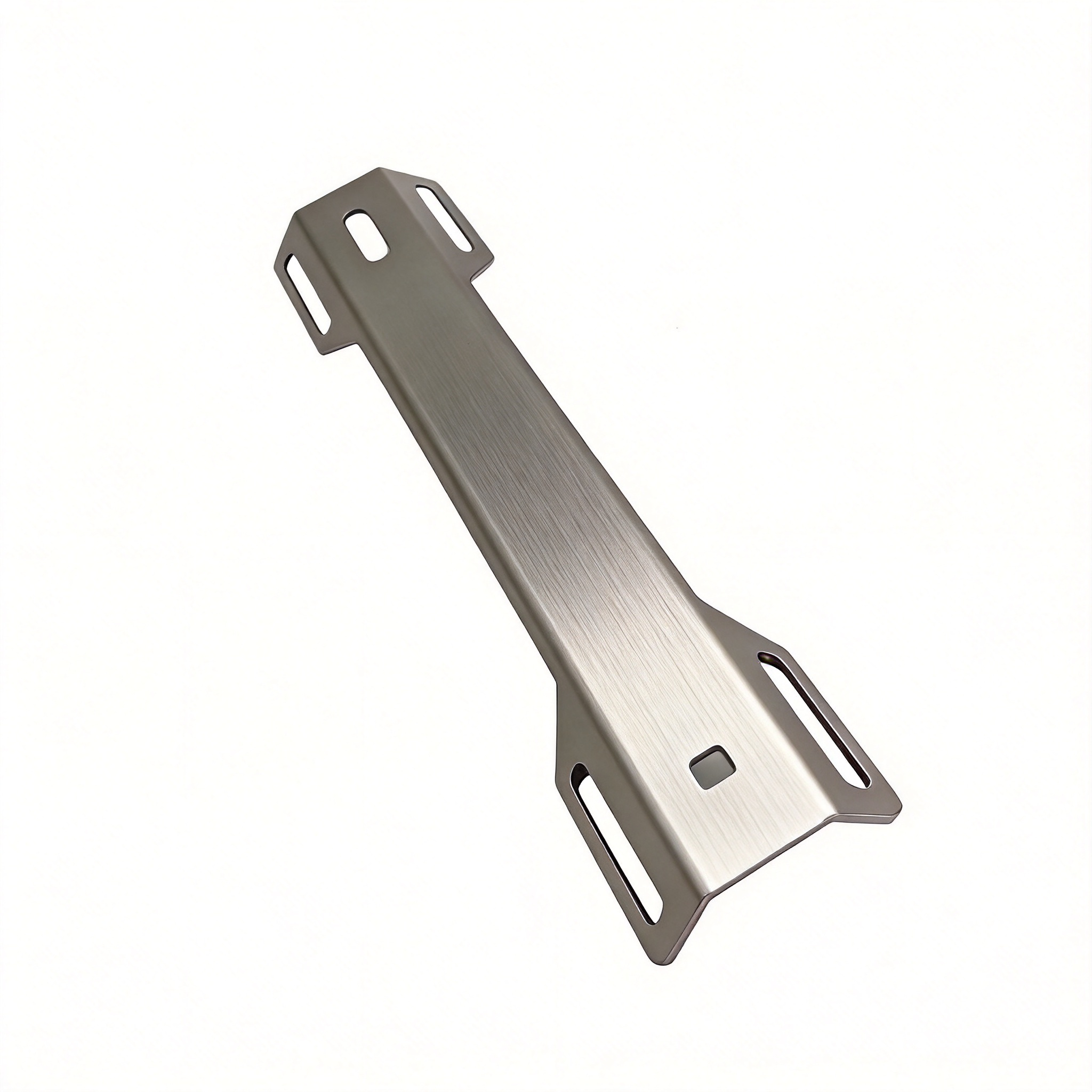
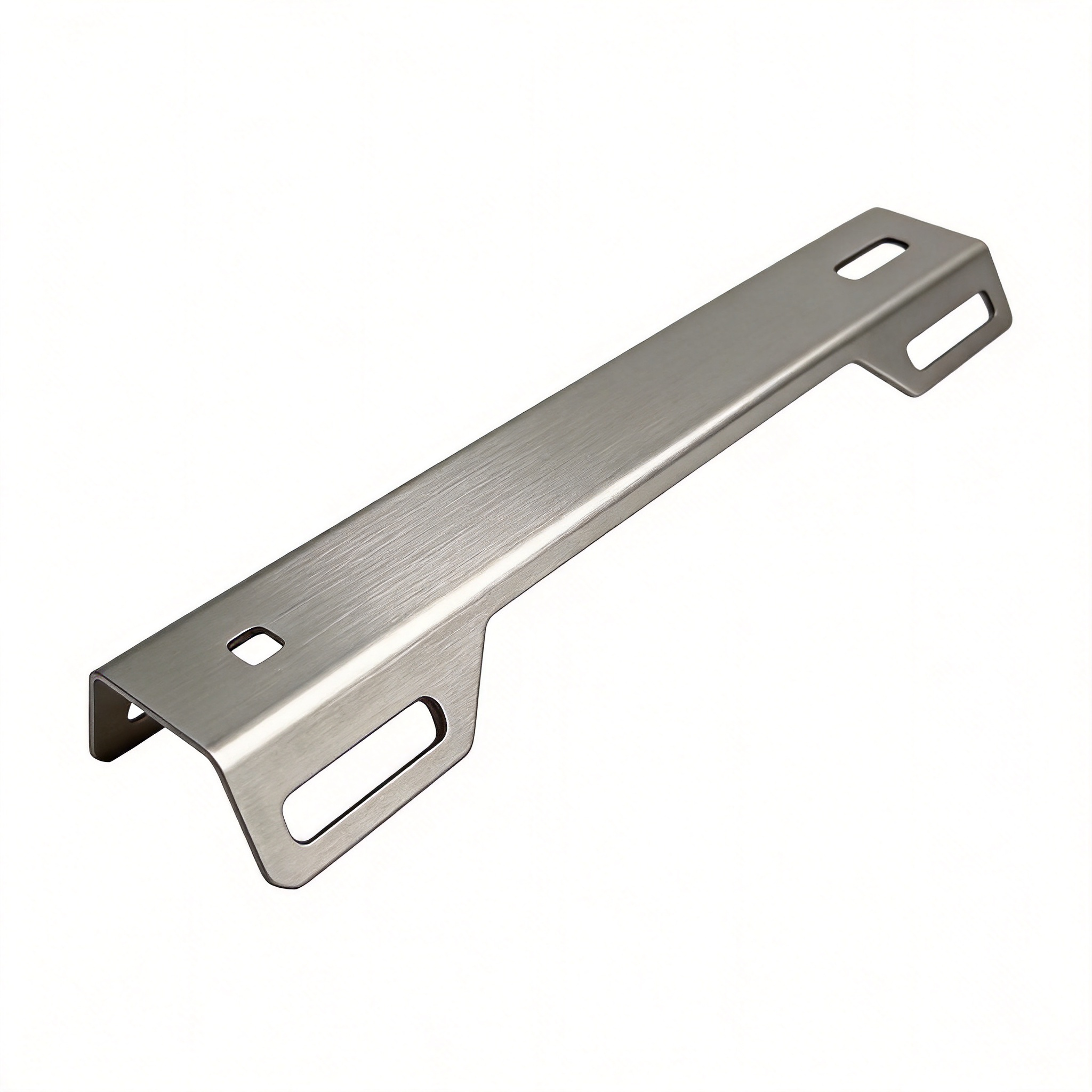
In the field of precision metal manufacturing, efficiency, accuracy, and stability are the core criteria for evaluating process value. Stamping processing, with its key advantages of high batch production efficiency, stable dimensional accuracy, strong product consistency, and controllable costs, has become a fundamental forming technology in industries such as hardware, automotive parts, home appliances, electronics, and new energy. It is an essential process for modern lightweight and standardized metal component production.
Compared to traditional metalworking methods such as cutting, forging, and welding, stamping relies on mold pressure to form parts, enabling rapid completion of multiple operations—including drawing, bending, punching, blanking, flanging, and shaping—on thin metal sheets. This makes it perfectly suited for large-scale production of various thin-walled, irregularly shaped, and standardized metal components, serving as a critical solution for cost reduction and efficiency improvement in industrial manufacturing.