

Sheet Metal Material Selection Guide for Custom Processing (2026 Updated)
Introduction
Material selection is the core foundation of high-quality custom sheet metal fabrication. Different metal materials have huge differences in hardness, corrosion resistance, ductility, weight, and cost, directly affecting the performance, service life, and application scenarios of custom sheet metal parts. Many customers fail to select the most suitable material, resulting in product performance redundancy or insufficient durability. This updated 2026 sheet metal material selection guide helps you quickly match the best material for your custom processing projects.
Main Sheet Metal Materials & Processing Characteristics
1. Aluminum Alloy Sheet: Features lightweight, good ductility, strong thermal conductivity, and easy processing. It is the best material for custom aluminum sheet metal enclosures, heat dissipation equipment, and portable smart device housings. It supports anodizing and sandblasting surface treatment with high aesthetics and low cost.
2. Stainless Steel Sheet (304/316): Has excellent corrosion resistance, rust resistance, and high structural strength. 304 stainless steel is widely used in daily industrial equipment and electronic housings; 316 stainless steel is suitable for medical grade sheet metal parts, marine equipment, and outdoor devices with strict anti-corrosion requirements.
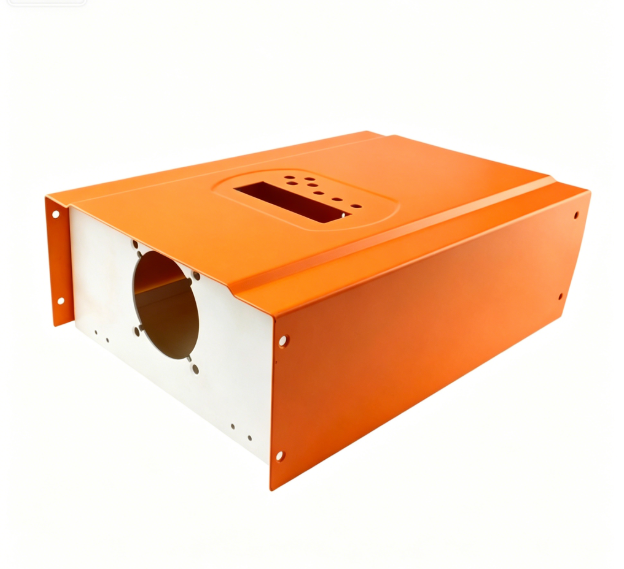
3. Cold Rolled Steel Sheet: With high hardness and low price, it is the most cost-effective material for industrial structural parts. It is usually matched with powder coating or galvanizing treatment to improve rust resistance, suitable for heavy-duty equipment frames and mechanical supports.
4. Galvanized Steel Sheet: Comes with natural anti-rust and anti-corrosion performance, no need for secondary anti-rust treatment. It features low processing cost and stable performance, ideal for outdoor sheet metal electrical enclosures and conventional industrial sheet metal parts.
5. Copper Sheet: Has outstanding electrical and thermal conductivity, mainly used for conductive components and heat dissipation parts of precision electronic equipment.
Material Selection Suggestions for Different Scenarios
For lightweight and heat-dissipating electronic products, choose aluminum alloy sheets; for high-corrosion and hygienic medical and marine equipment, choose 316 stainless steel; for cost-effective conventional industrial structures, choose cold-rolled steel sheets with spraying treatment; for outdoor waterproof and dustproof enclosures, choose galvanized steel sheets. Our professional team will provide targeted material matching suggestions according to your product usage environment, performance requirements, and budget.
Conclusion & CTA
Reasonable material selection can greatly optimize product performance and control production costs.