

Sheet Metal Processing VS CNC Machining – How to Choose in 2026
Introduction
When customizing metal parts, most procurement teams face a common dilemma: choose sheet metal fabrication or CNC machining? Both are mainstream metal fabrication technologies, but they differ greatly in processing principle, applicable structure, production cost, and delivery cycle. Blind process selection will lead to increased costs or unqualified product structures. This detailed comparison helps you quickly select the most suitable processing technology for your custom parts.
Core Differences Between Sheet Metal Processing and CNC Machining
Processing Principle: Custom sheet metal processing focuses on cutting, bending, welding, and forming of thin metal plates, mainly for planar and hollow shell structures. CNC machining relies on cutting and grinding solid metal blanks, suitable for solid and irregular three-dimensional precision parts.
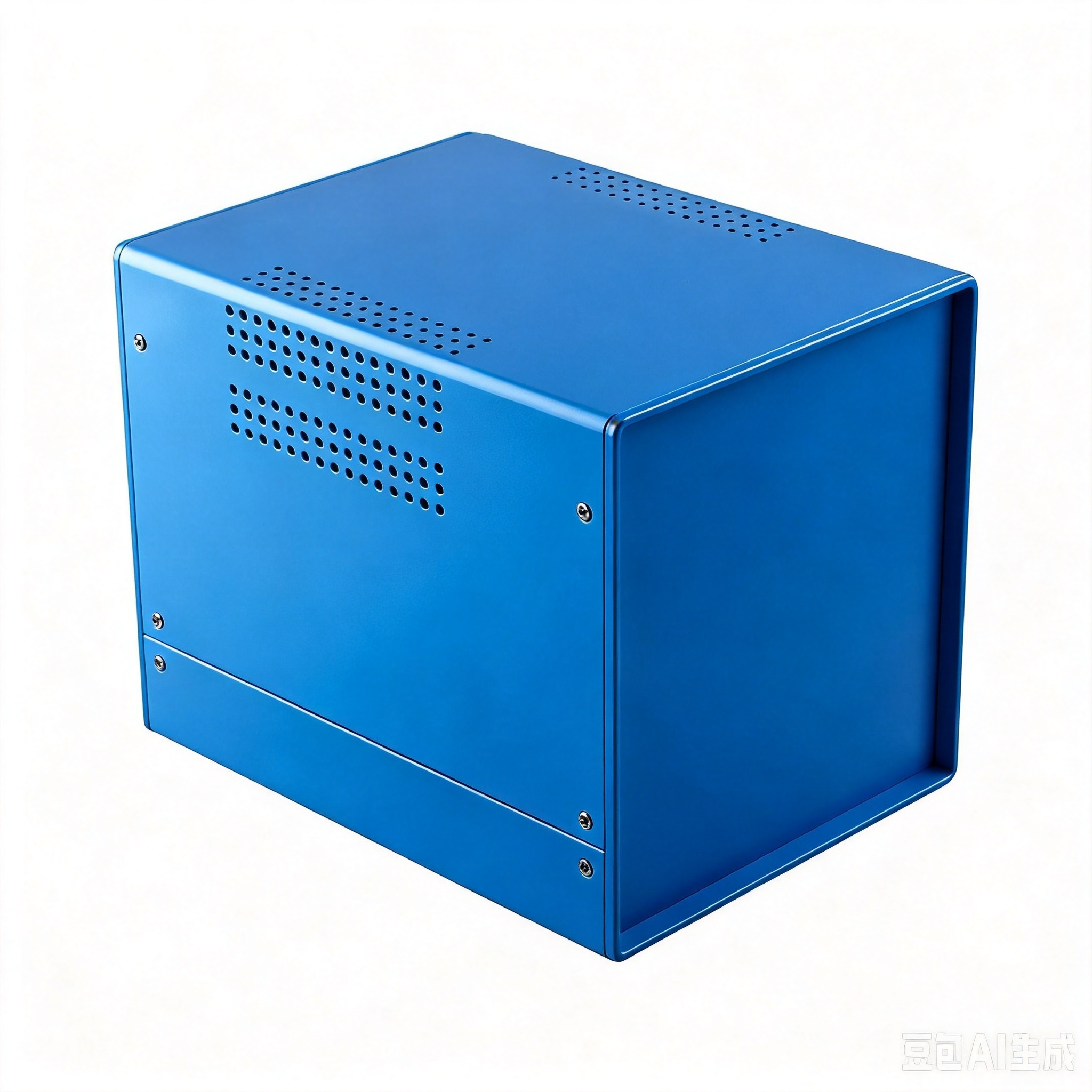
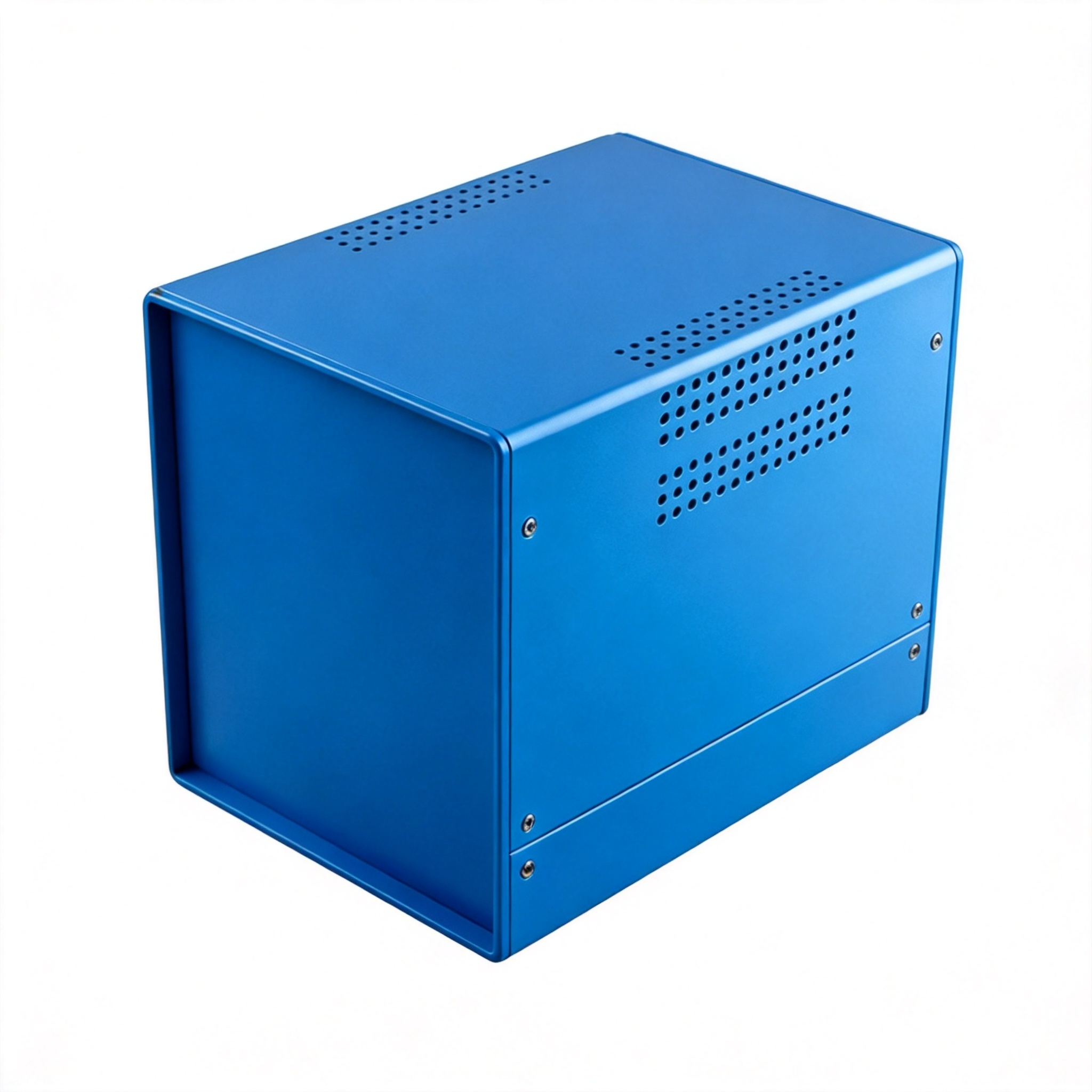
Applicable Part Structure: Sheet metal processing is perfect for thin-wall enclosures, equipment shells, brackets, and cabinet structures. CNC machining is more suitable for precision solid parts such as shafts, fixtures, and complex groove components.
Precision & Tolerance: CNC machining has higher precision, suitable for micron-level high-precision parts. Standard sheet metal processing meets conventional industrial tolerance requirements, and precision sheet metal fabrication can also meet medium and high-precision shell part demands.
Cost & Cycle: Sheet metal processing has no mold cost, low unit price, and fast production speed, suitable for rapid prototyping and large-batch production. CNC machining has higher processing costs and longer production cycles for batch parts.
Surface & Application: Sheet metal parts have smooth overall surfaces and diverse surface treatments, focusing on equipment protection and shell aesthetics. CNC parts focus on assembly precision and structural stability, mainly used for core functional components.