
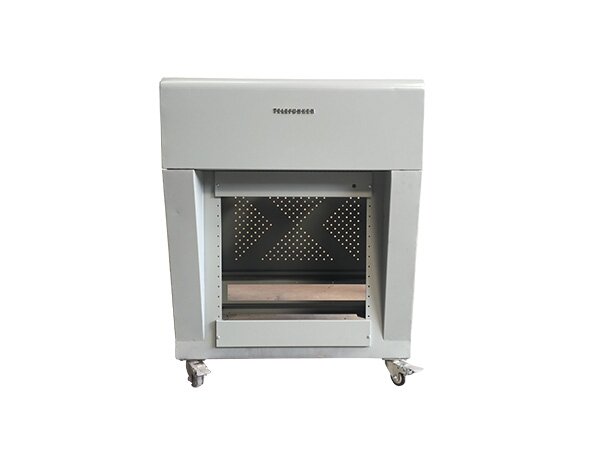
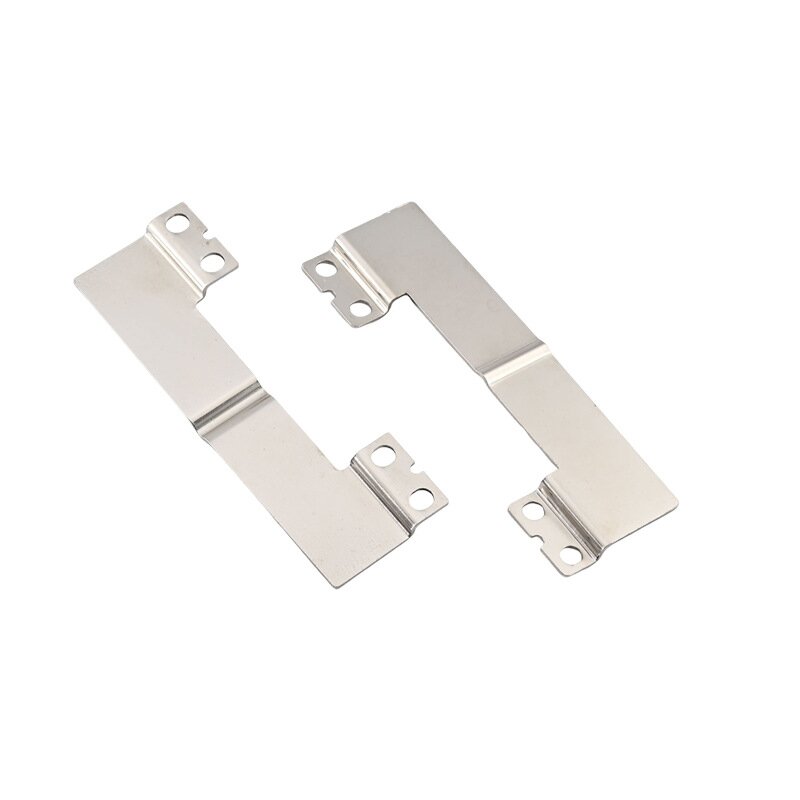
Sheet metal fabrication is a cornerstone of modern manufacturing, delivering durable, lightweight, and cost-effective metal components for industries from electronics and automotive to aerospace and industrial equipment. For procurement teams and design engineers, understanding the fabrication workflow, material options, and quality benchmarks is critical to selecting the right partner and avoiding costly production issues.
This guide breaks down the core elements of custom sheet metal fabrication, shares actionable design and sourcing tips, and explains what to look for in a reliable manufacturing partner.
Core Sheet Metal Fabrication Processes
Quality custom parts rely on a seamless sequence of precision operations. Leading fabrication facilities integrate these core processes under one roof to ensure consistency and shorten lead times:
Precision Cutting
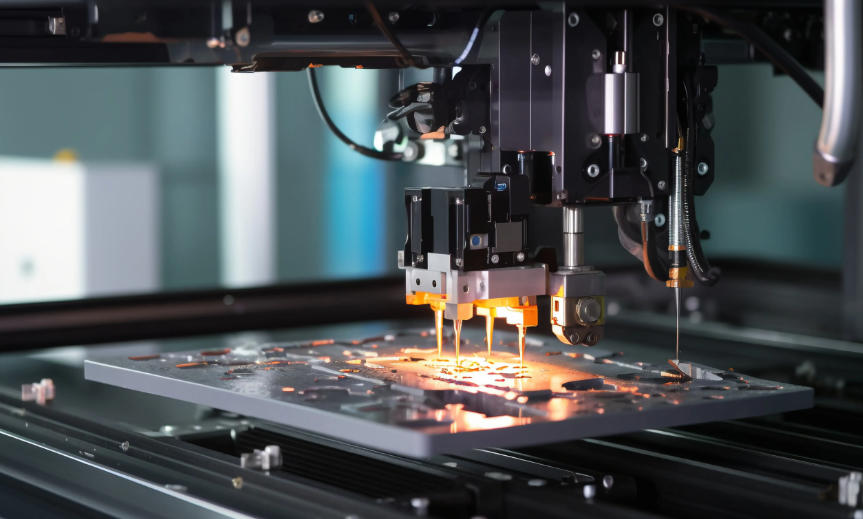
Fiber laser cutting is the industry standard for thin to medium-gauge sheets (0.2mm–6mm), delivering clean, burr-free edges and tight dimensional tolerances for complex geometries. For high-volume runs, CNC punching efficiently produces holes, louvers, and embossed features. Waterjet cutting is reserved for heat-sensitive materials or very thick plates where thermal distortion must be avoided.
CNC Forming & Bending
Press brake forming shapes flat blanks into 3D structures with accurate bend angles and consistent radii. Experienced fabricators account for material springback — the tendency of metal to rebound slightly after bending — to ensure final dimensions match engineering drawings. For deep, hollow shapes, deep drawing processes are used to create seamless enclosures and housings.
Joining & Assembly
MIG and TIG welding provide strong, permanent bonds for structural components. For assemblies that require disassembly or thinner materials, self-clinching fasteners, riveting, and spot welding are common alternatives. Full-service suppliers also offer secondary operations such as tapping, deburring, and hardware insertion.
Surface Finishing
Finishing protects parts from corrosion and enhances aesthetics. Standard options include powder coating (durability and custom colors), anodizing (for aluminum wear resistance), electroplating, and brushed/polished finishes. The right finish is selected based on the part’s operating environment and cosmetic requirements.
Material Selection: Match Metal to Your Application
Choosing the correct base material directly impacts part performance, cost, and manufacturing feasibility. The most widely used materials in custom fabrication are:
Cold-rolled steel (CRS): Low-cost, high-strength option for general structural parts, brackets, and chassis. Best suited for indoor use or when coated for corrosion protection.
Stainless steel (304 / 316L): Excellent corrosion resistance for outdoor, medical, food-grade, and marine applications. 316L offers superior chemical resistance for harsh environments.
Aluminum (5052 / 6061): Lightweight with good formability, ideal for enclosures, electronic housings, and weight-sensitive assemblies.
Galvanized steel: Pre-coated with zinc for built-in corrosion protection, commonly used for electrical enclosures and outdoor cabinetry.
Quality Control: What Separates Reliable Fabricators
To ensure consistent part quality, reputable suppliers implement structured inspection protocols at every production stage:
First Article Inspection (FAI) for new parts, verifying all dimensions against CAD drawings before full production begins
In-process checks for cut dimensions, bend angles, and weld integrity
Final dimensional verification using precision measuring tools
Material traceability with mill test certificates for critical applications
For buyers, always verify that your supplier follows recognized quality standards such as ISO 9001, and can provide inspection reports upon request.
Design Tips for Manufacturability (DFM)
Optimizing your design early reduces production costs and avoids rework:
Maintain uniform wall thickness throughout the part
Keep inside bend radii equal to or greater than material thickness to prevent cracking
Position holes at least 2x material thickness away from bend lines to avoid distortion
Add bend relief notches at flange intersections to prevent tearing
Why Partner With Shenzhen Hony Tai for Custom Sheet Metal Fabrication
Shenzhen Hony Tai specializes in custom metal structural component manufacturing, offering end-to-end solutions that cover sheet metal fabrication, metal stamping, deep drawing, and precision mechanical machining.
Equipped with advanced production equipment and mature manufacturing processes, we strictly control dimensional precision and product quality. Our engineering team supports both standard and custom non-standard hardware parts, working directly from customer drawings or sample parts.
We serve diverse global industries with reliable products, stable delivery schedules, and cost-effective solutions. Guided by our quality-first, customer-centric principle, we help clients reduce total production costs, shorten time-to-market, and build long-term, mutually beneficial partnerships.
Ready to Start Your Project?
If you have custom sheet metal fabrication requirements, send us your drawings or samples for a fast, detailed quotation. Our engineering team is ready to review your design, provide DFM feedback, and deliver a tailored manufacturing solution that meets your specifications and budget.